In the world of photography, the lines between smartphones and traditional cameras are getting blurrier every year. With every new mobile launch, companies promise DSLR-like quality in your pocket. But now, Adobe’s Project Indigo is making waves that could truly change the game. This cutting-edge app brings computational photography to your iPhone, delivering pro-level image quality once thought impossible on a smartphone.
But can Project Indigo really replace your DSLR? Let’s find out.
What is Adobe Project Indigo?
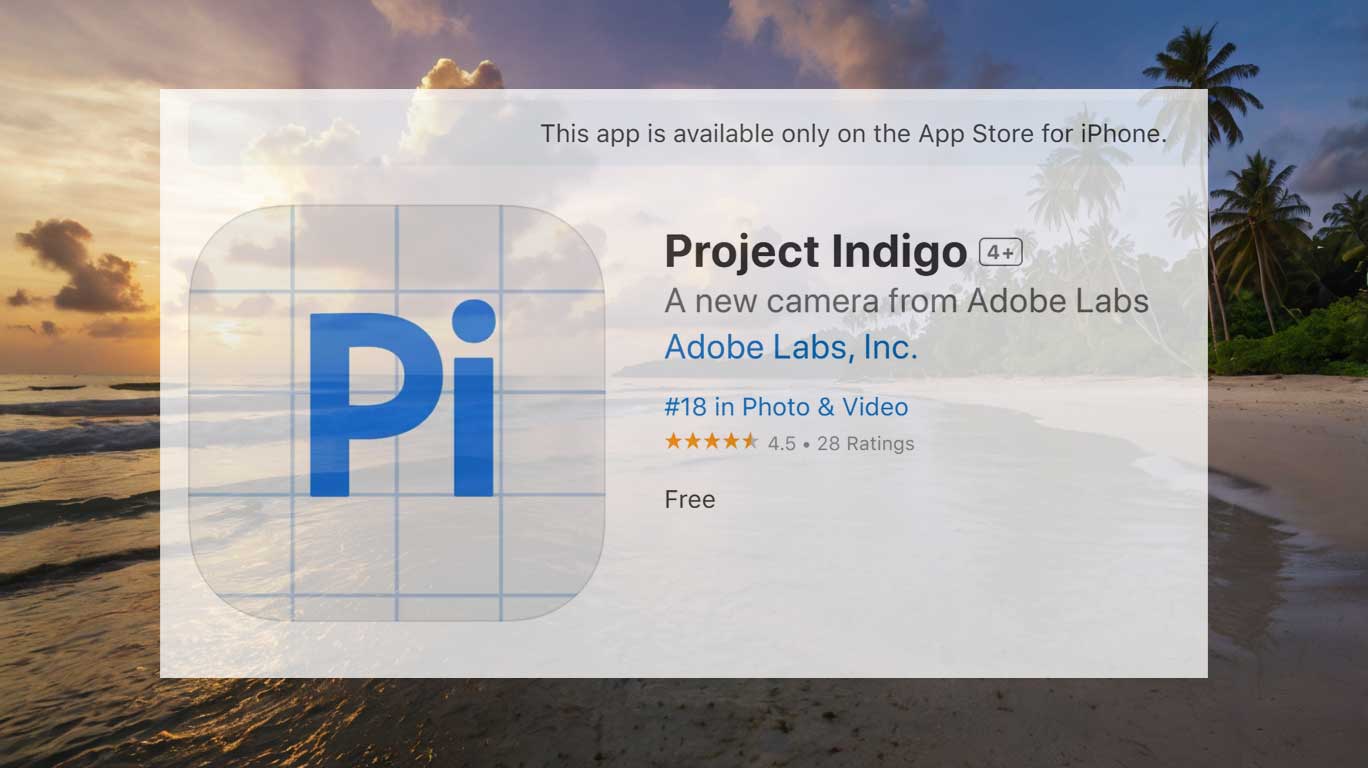
Adobe Project Indigo is the latest innovation shaking up the world of mobile photography. Developed under the leadership of Marc Levoy, the pioneer behind Google’s computational photography revolution (remember Google Camera and HDR+?), Project Indigo brings DSLR-like control and image quality straight to your iPhone.
But Indigo isn’t just another camera app. It uses computational photography—a technique where the camera captures multiple frames in quick succession and uses advanced algorithms to merge them. The result? Sharper details, better dynamic range, and stunning low-light performance that rivals professional cameras.
- Key Features of Adobe Project Indigo:
- Multi-Frame Capture: Captures bursts of images and intelligently combines them.
- Manual Controls: Full control over ISO, shutter speed, focus, and more—just like a DSLR.
- AI-Powered Enhancements: Smart adjustments for exposure, sharpness, and noise reduction.
- Professional Output: Produces high-resolution, detail-rich photos optimized for editing.
How Does Adobe Project Indigo Compare to DSLRs & Mirrorless Cameras?
The big question on every photographer’s mind: Can Adobe Project Indigo really replace your DSLR or mirrorless camera? The answer isn’t a simple yes or no—it depends on what you shoot and how you shoot.
- Where Project Indigo Shines:
- Portability: No need to carry heavy camera bodies or lenses—your phone does it all.
- Quick Shots: Ideal for travel, street photography, or everyday moments.
- Low-Light Performance: Thanks to computational photography, Indigo enhances details even in challenging lighting.
- Beginner-Friendly: Advanced image quality without complex settings.
- Where Traditional Cameras Still Lead:
- Optical Zoom: Smartphones rely on digital zoom; true optical zoom from interchangeable lenses is still superior.
- Sensor Size: DSLRs and mirrorless cameras with larger sensors deliver better depth-of-field control and image quality, especially for professional work.
- Creative Flexibility: Nothing beats the artistic control of swapping lenses, using filters, or working with RAW files from high-end cameras.
- Professional Demands: For commercial work, wildlife, sports, or large prints—DSLRs and mirrorless gear remain unmatched.
What This Means for Photographers
With Adobe Project Indigo, the photography world is facing a familiar question: Do you still need to invest in bulky, expensive camera gear when your smartphone can produce comparable results?
- For Travel & Everyday Photography:
- If you love capturing moments on the go, Project Indigo is a game-changer. Its DSLR-like control on iPhone, paired with advanced AI, allows casual photographers and enthusiasts to shoot high-quality images without carrying heavy equipment.
- For Landscape & Street Photographers:
- The convenience of Indigo, especially with its excellent low-light performance and smart image stacking, makes it a strong companion for spontaneous street shots and travel landscapes.
- For Professional & Commercial Work:
- While Project Indigo produces stunning results, for commercial photography, weddings, studio work, or large-format printing, DSLRs and mirrorless cameras still provide unmatched control, sensor performance, and flexibility.
- For the Photography Industry:
- Project Indigo pushes camera manufacturers to innovate. It reflects the growing trend where computational photography plays a critical role, not only in smartphones but increasingly in high-end cameras too.
Expert Opinions on Adobe Project Indigo
Since the unveiling of Adobe Project Indigo, photographers, tech reviewers, and industry insiders have been buzzing with mixed but mostly positive reactions. Here’s what experts have to say about this new wave of computational photography and its potential to replace your DSLR—or at least complement it.
- Marc Levoy – Father of Computational Photography:
- “We designed Project Indigo to give mobile photographers more control, more image quality, and more confidence—without the bulk of professional gear.”
- Professional Photographers’ Take:
- Many photographers see Indigo as a powerful secondary tool, ideal for moments when carrying a full camera setup isn’t practical.
- Tech Media Highlights:
- The Verge: ‘Adobe’s Indigo might be the first mobile app that truly challenges what we expect from smartphone photography.’
- Community Feedback:
- Online forums reflect curiosity and cautious optimism. Some see it as the future, others believe professional work still demands the versatility of DSLRs.
Conclusion: Is Computational Photography Ready to Replace Your DSLR?
Adobe Project Indigo marks a major milestone in the evolution of computational photography. With its AI-driven image processing, manual DSLR-like controls, and professional-quality output, it brings the convenience of mobile photography closer than ever to the standards once reserved for DSLRs and mirrorless cameras.
But does that mean you should ditch your DSLR completely? Not quite.
The Real Takeaway:
– For everyday moments, spontaneous street photography, and travel, Project Indigo delivers results that might make you question the need for a bulky camera bag.
– For commercial work, studio shoots, and situations where optical zoom, sensor size, and full creative control matter—your DSLR or mirrorless camera still holds the crown.
The photography world isn’t facing a choice of either/or—it’s becoming a space where mobile and traditional cameras complement each other, pushing the boundaries of what’s possible.
What Do You Think?
Would you consider leaving your DSLR at home and relying on Adobe Project Indigo for your next photography adventure?
Share your thoughts and experiences in the comments below—we’d love to hear from fellow photography enthusiasts!